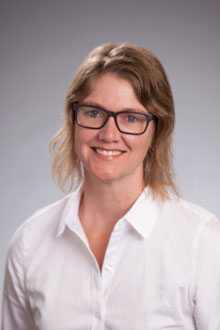
Professor, Memory Keepers Medical Discovery Team,
University of Minnesota Medical School, Duluth campus
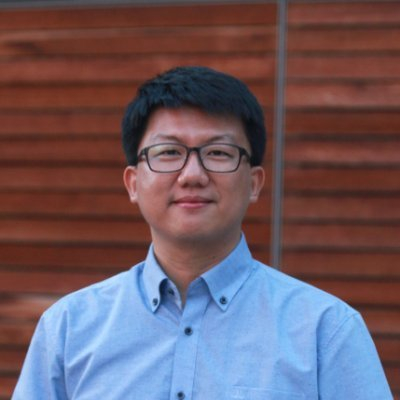
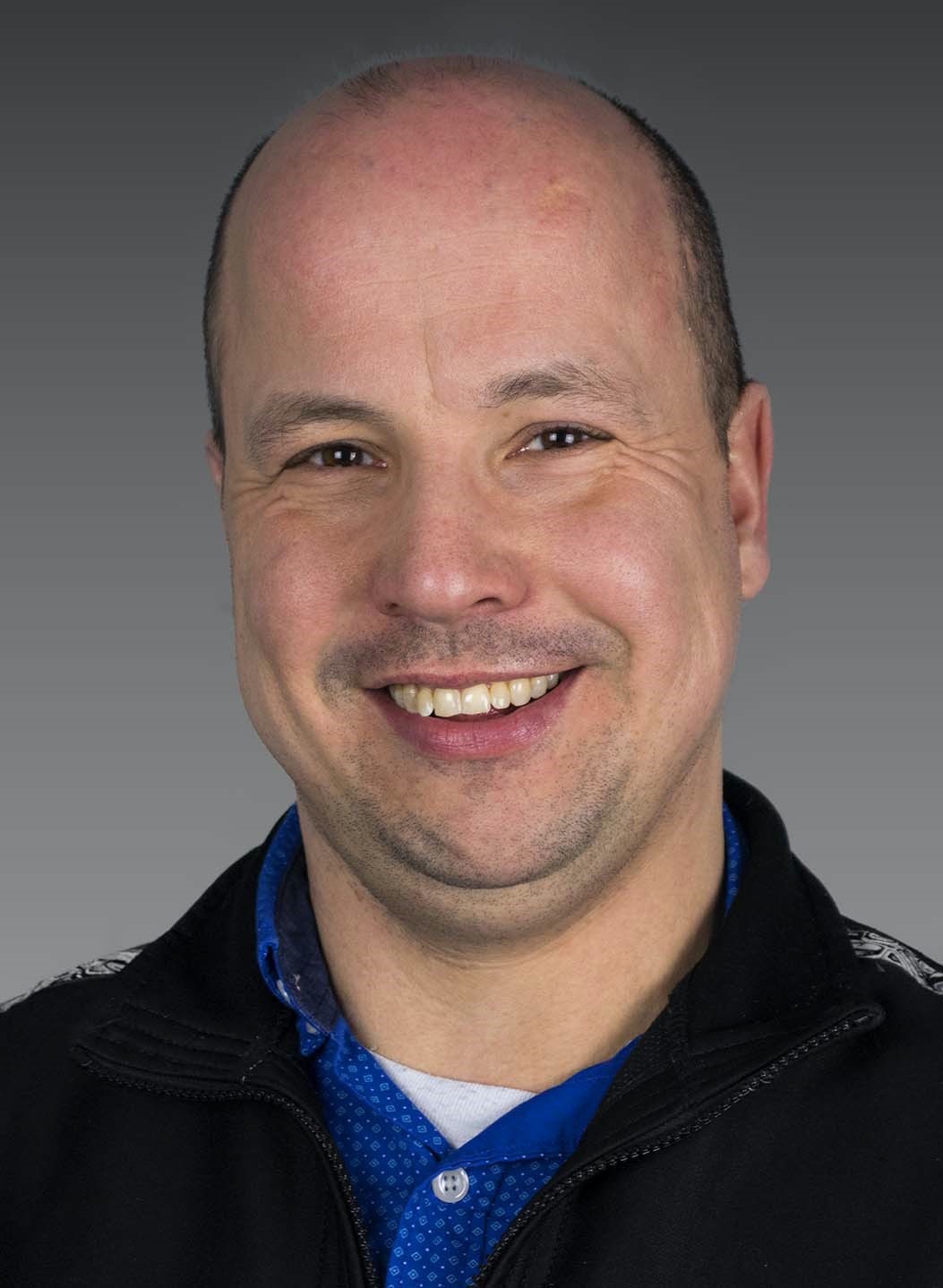
Dr. Jordan P. Lewis, Unangax, from the Native Village of Naknek, is a Professor with the Memory Keepers Medical Discovery Team and the University of Minnesota Medical School, Duluth campus. He is a cross-cultural community psychologist (PhD), social worker (BSW, MSW), a credential professional gerontologist (CPG), and a Fellow of the Gerontological Society of America. His research has identified indigenous cultural generativity as an important tool for Indigenous Elders’ health and wellbeing, as well as a key component of my Alaska Native Model of Successful Aging. Dr. Lewis’s work has important implications for the wellbeing of Alaska Native and American Indian older adults, including those with Alzheimer’s Disease and related dementias, their caregivers, and family and community members. His work has the potential to guide significant future research in the area of Indigenous health and dementia, with generalizability to aging theory among all marginalized groups.
Assistant Professor
Garland School of Social Work
Baylor University
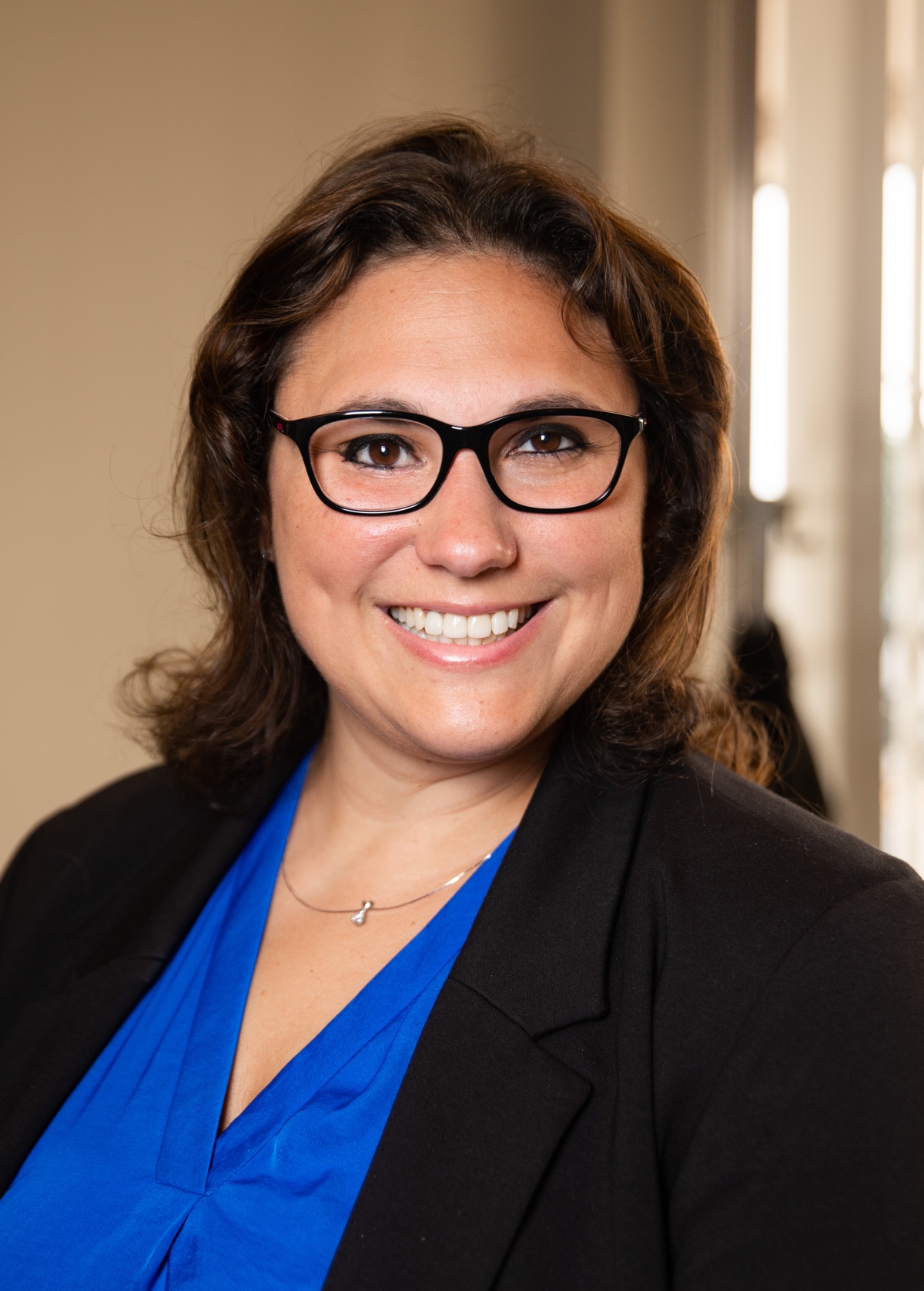
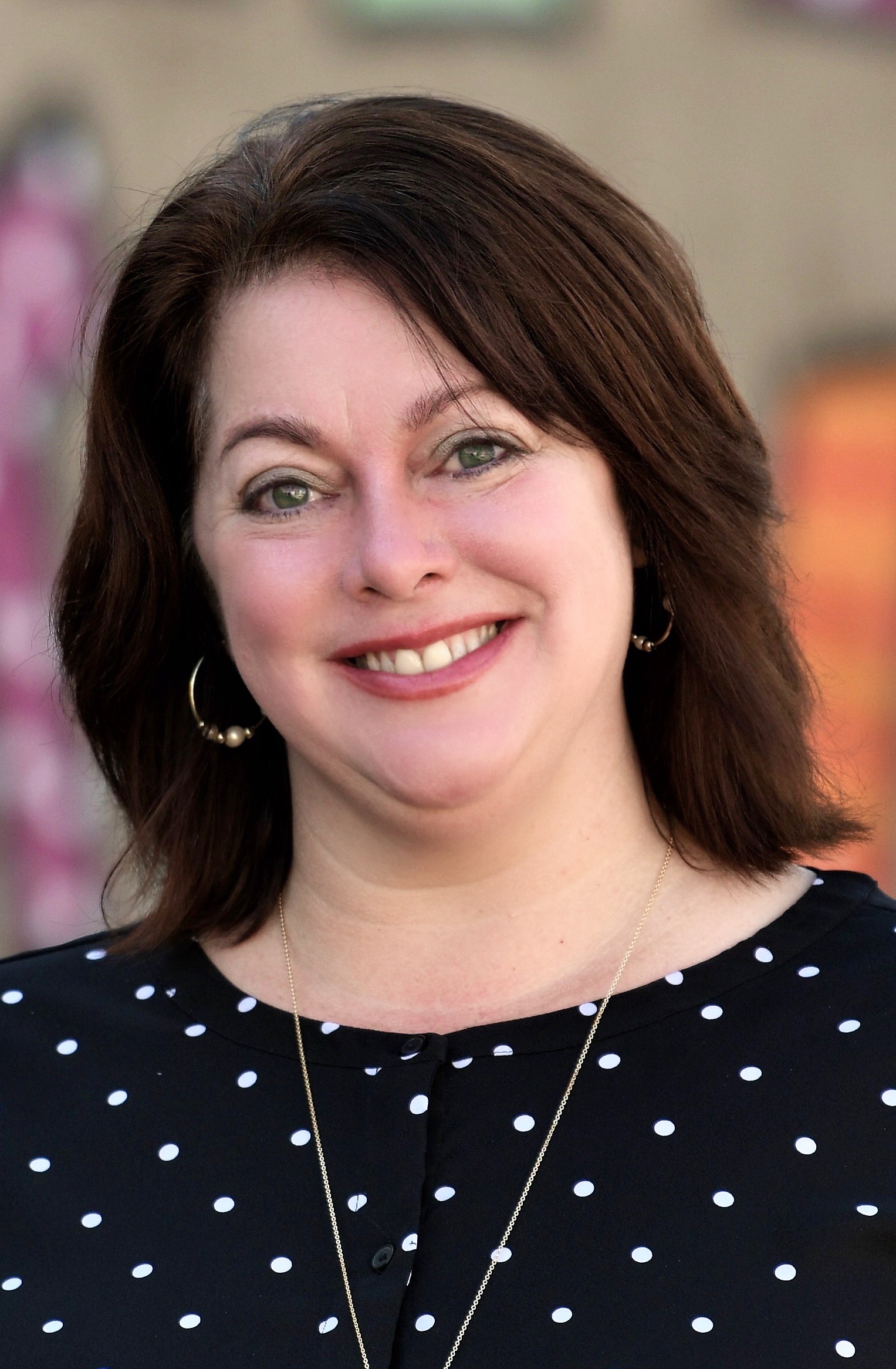
Dr. Jocelyn Shealy McGee is an assistant professor at the Baylor University Garland School of Social Work. She received her Ph.D. in Clinical Psychology from Fuller. Postdoctoral fellowship training was undertaken in Clinical Neuropsychology at Baylor College of Medicine (APPCN accredited). A second postdoctoral fellowship was completed in Older Adult Research at the Aging Treatment Studies Program at Stanford University School of Medicine and the VA Palo Alto Healthcare System.
Dr. McGee is a Fellow of the Gerontological Society of America (GSA) in the Behavioral and Social Sciences Section and the past Co-Chair of the GSA Alzheimer’s Disease Research Interest Group. Her international interdisciplinary research team aims to develop culturally sensitive psychosocial clinical interventions for caregivers of persons with Alzheimer’s disease and other complex chronic health conditions through the integration of community-based participatory and indigenous research methodologies. Dr. McGee has contributed to the development, implementation, and evaluation of several interventions over the course of her career such as the Resources for Enhancing Caregiver Health (REACH) II intervention, the STAR VA program (which has been implemented across the VA system), and the En-Rich intervention (Enhancing Rural Interventions for Caregiver Health) which is a cognitive-behaviorally oriented telepsychology intervention.
In addition to the recently awarded Emory Roybal Center study titled, “Dementia Caregiver Mastery Using Cultural Practices” (Lewis, PI), Dr. McGee has a study aimed at better understanding the role of spirituality, positive psychology, health, & well-being in people with early-stage dementia and their family members with close to 200 participants. Additionally, she was nominated and selected for the “Spirit of Hope” Award by Sister Rosemary Nyirumbe (Time’s 100 Most Influential People for 2014) and Pros for Africa for her efforts in Malawi, Africa supporting grandmothers and other Elders who are serving as the primary caregivers of children whose parents have died from HIV/AIDS and other preventable/treatable diseases. In the summer of 2020, she served as a consultant for a Haitian NGO to develop a telepsychology program to address to needs of the Haitian people in the context of the COVID-19 pandemic.